Back

CampaMate Adventure Planner

North Coast 500

Wild coast. Highland roads. Your route.

Build an NC500 adventure around your vehicle, your pace and the places you actually want to experience — with CampaMate stops and touring essentials brought into one journey.

516 milesInverness start & finish5–7 days or more recommended

More than a road to tick off

Make the NC500 a journey, not a race

The North Coast 500 is a circular touring route through the North Highlands, beginning and ending in Inverness. Its roughly 516 miles link the west coast, the far north and the east coast into one of Britain's best-known road trips.

The headline mileage is deceptive. Many of the roads are narrow, winding or single-track, and the places that make the journey memorable are away from the steering wheel: beaches, villages, walks, castles, sea cliffs, food stops and viewpoints. Five to seven days is a sensible minimum for many travellers; longer gives you far more freedom to work around Highland weather and stay somewhere you love.

There is no compulsory direction. Clockwise brings the dramatic west early in the trip; anticlockwise lets the landscape build as you travel north and west. CampaMate's planner supports both.

Wester Ross mountain scenery

Wester Ross & Applecross

Big mountain scenery, sea lochs, Shieldaig, Torridon and the Applecross peninsula. This is where the NC500 feels at its most dramatic — but it is also where vehicle size and single-track confidence matter most.

Show this route on the map →
Kylesku Bridge and Assynt scenery

Ullapool & Assynt

Harbour-town supplies give way to the unmistakable Assynt landscape: Loch Assynt, Ardvreck Castle, pale beaches, rugged peaks and Kylesku.

Show this route on the map →
Smoo Cave near Durness

Durness & the far north-west

Smoo Cave, Balnakeil Bay, exposed coast and huge skies. Leave spare time here because weather can completely change the character of a day.

Show this route on the map →
Duncansby sea stacks in Caithness

Caithness & John o' Groats

Sea cliffs, Dunnet Head, the Pentland Firth, the Castle of Mey, John o' Groats and Duncansby Head make the north coast much more than a signpost photo.

Show this route on the map →
Dunrobin Castle and gardens

East coast return

Wick, Golspie, Dunrobin Castle and the Black Isle create a gentler final chapter before the loop closes back in Inverness.

Show this route on the map →

Build your journey

Plan your NC500 route

Choose a suggested route or build your own, then add, remove and personalise stops on the interactive map.

Free preview

Preview the NC500 Adventure Planner

Explore the complete NC500 guide for free. Interactive route planning, map personalisation, CampaMate facilities and saved routes are included with CampaMate membership.

Build your adventure

Interactive NC500 Adventure Planner

Explore the route, choose your direction and trip length, then save a personal copy to My Routes. CampaMate facility layers are being connected to this same map so your touring essentials can travel with the route.

How would you like to plan your NC500?

Classic NC500 Full LoopThe full NC500-style circuit from Inverness, taking in west, north and east coast highlights.16 planned route points for 7 days. You can add extra stops below.

What are you travelling in?
Direction
Trip length

✓ Suggested route loaded16 route points ready.

Stops along the NC500

Clockwise · 7 days · 16 planned stops

  1. The traditional gateway to the NC500 and the best place to stock up, fuel up and prepare before heading into the Highlands.

    Suggested time: Half day or overnight
Navigation-ready structure

The planner stores ordered coordinates and vehicle warnings separately from the guide content, ready to hand off to CampaMate's turn-by-turn navigation work without rebuilding the NC500 feature.

Shape the adventure

Routes, pace & things to see

Build it around you

Choose your style of NC500

The official route is only the backbone. Your interests should decide where the time goes.

Kyle of Tongue Highland scenery
Build the NC500 around the places and experiences you love · Geograph / Wikimedia Commons
01

The photographer

Prioritise Wester Ross, Torridon, Assynt, Kylesku, the Kyle of Tongue, Dunnet Head and Duncansby. Stay multiple nights in fewer bases so sunrise, sunset and changing weather can work in your favour.

02

The walker

Build the trip around two or three major walking days with recovery days between them. Torridon, Inverpolly, Assynt and Ben Hope country provide serious objectives, while gorges, beaches and woodland walks fill easier days.

03

The foodie

Use Inverness, Black Isle, Ullapool, Lochinver, north-coast producers and the east-coast whisky belt as anchors. Book destination meals but keep lunches flexible for bakeries, seafood and farm shops.

04

The wildlife watcher

Slow down around Loch Ewe, sea lochs, Durness, Caithness cliffs, Dunnet Head and the Moray Firth. Binoculars and patience matter more than covering every mile.

05

The history lover

Combine Clava Cairns, crofting and clearance heritage, Ardvreck, Caithness archaeology, Wick's fishing story, Dunrobin and the Pictish east coast.

06

The active adventurer

Mix hiking with kayaking, surfing, mountain biking or guided water activities. Keep at least one flexible day because Highland weather can rearrange an activity-led itinerary.

07

The slow camper

Choose three or four bases and make day trips rather than moving every morning. This reduces packing, gives local businesses more of your time and makes poor weather far less disruptive.

08

The first-timer

Start with seven days or more, avoid difficult roads if your vehicle or reversing confidence makes them unsuitable, pre-book key nights and deliberately leave one half-day unplanned.

Choose your pace

How many days do you need?

Choose a timeframe to open an example itinerary, what you can realistically achieve and an ideal day-by-day route.

3 days3 days · The essential highlightsOpen itinerary
View from Bealach na Bà on the Applecross peninsula
Photo: Jooniur · Wikimedia Commons

Best for a first taste when time is tight. This is a driving-heavy trip, so keep walks and long detours to a minimum.

What you can achieve

You can complete the loop and see several signature landscapes, but expect early starts, significant driving and limited time for long walks.

Day 1 · Inverness → Applecross / Torridon

Suggested stops

Beauly · Bealach na Bà (only if your vehicle is suitable) · Applecross · Shieldaig · Torridon

Make the west coast your headline day. Larger motorhomes should use the safer Applecross alternative rather than Bealach na Bà.

Day 2 · Torridon → Durness

Suggested stops

Gairloch · Loch Maree · Ullapool · Ardvreck Castle · Kylesku · Smoo Cave

A spectacular but long day. Choose two or three longer stops rather than trying to do everything.

Day 3 · Durness → Inverness

Suggested stops

Tongue · Dunnet Head · John o’ Groats / Duncansby · Dunrobin Castle · Inverness

Cover the north and east coasts, prioritising the far-north viewpoints and one east-coast stop.
Build this trip on the interactive map ↓
5 days5 days · The classic NC500Open itinerary
Torridon landscape in the Scottish Highlands
Photo: Geograph · Wikimedia Commons

A much more balanced first trip: enough time for the famous scenery, villages and several proper stops without turning every day into a marathon.

What you can achieve

A strong first-time itinerary covering every main region, with room for beaches, castles, viewpoints and shorter walks.

Day 1 · Inverness → Applecross

Suggested stops

Beauly · Applecross route · Applecross

Take time getting onto the west coast and enjoy the peninsula rather than racing north.

Day 2 · Applecross → Ullapool

Suggested stops

Shieldaig · Torridon · Loch Maree · Gairloch · Corrieshalloch Gorge · Ullapool

A classic Wester Ross day with mountains, lochs and a useful overnight base in Ullapool.

Day 3 · Ullapool → Durness

Suggested stops

Knockan Crag · Ardvreck Castle · Achmelvich or Clachtoll · Kylesku · Smoo Cave

Assynt deserves most of the day. Pick one beach and one walk/viewpoint alongside the main route.

Day 4 · Durness → Caithness

Suggested stops

Tongue · Bettyhill · Dunnet Head · Castle of Mey · John o’ Groats / Duncansby

Follow the north coast east with time for the cliffs and far-north landmarks.

Day 5 · Caithness → Inverness

Suggested stops

Wick · Dunrobin Castle · Dornoch · Black Isle · Inverness

Use the east coast for heritage, food and a gentler finish.
Build this trip on the interactive map ↓
7 days7 days · The CampaMate explorerOpen itinerary
Smoo Cave and Geodha Smoo at Durness
Photo: Spike · Wikimedia Commons

The sweet spot for many campervan and motorhome trips. You still complete the full loop but gain time to experience places rather than simply photograph them.

What you can achieve

Enough time for the full NC500 plus meaningful walks, beaches and local experiences, with some flexibility for Highland weather.

Day 1 · Inverness → Applecross

Suggested stops

Beauly · scenic west-coast approach · Applecross

A relaxed opening day with time to settle into Highland roads.

Day 2 · Applecross → Gairloch

Suggested stops

Shieldaig · Torridon · Beinn Eighe · Loch Maree · Gairloch

Spend proper time in Torridon and choose a walk or nature stop.

Day 3 · Gairloch → Ullapool

Suggested stops

Inverewe · Gruinard Bay · Mellon Udrigle · Corrieshalloch Gorge · Ullapool

A slower coastal day with beaches and gardens before Ullapool.

Day 4 · Ullapool → Durness

Suggested stops

Achnahaird · Knockan Crag · Ardvreck · Lochinver · Kylesku · Durness

Explore Assynt, choosing the stops that suit your interests and vehicle.

Day 5 · Durness → Tongue / Bettyhill

Suggested stops

Smoo Cave · Balnakeil · optional Cape Wrath experience · Tongue

Keep mileage lower so a longer Durness experience can fit.

Day 6 · Tongue → Wick / John o’ Groats

Suggested stops

Strathy · Dunnet Head · Castle of Mey · John o’ Groats · Duncansby

Give the far north a full day rather than treating it as a drive-through.

Day 7 · Caithness → Inverness

Suggested stops

Whaligoe · Dunrobin · Dornoch · Tain · Black Isle · Inverness

Finish through the east coast with heritage, food or wildlife stops.
Build this trip on the interactive map ↓
10 days10 days · Slow Highland adventureOpen itinerary
The Bealach na Bà road towards Applecross
Photo: Glen Wallace · CC BY-SA 2.0 · Wikimedia Commons

For travellers who want the NC500 to feel like a holiday rather than a driving challenge. Build in detours, half-day walks and weather flexibility.

What you can achieve

Time for the full route, major detours, longer walks or wildlife trips, slower mornings and a spare margin when the weather changes.

Day 1 · Inverness & Beauly

Suggested stops

Inverness · Culloden / Clava Cairns · Beauly

Stock up, explore and start rested.

Day 2 · Beauly → Applecross

Suggested stops

Applecross peninsula · viewpoints · Applecross

Make the journey west part of the experience.

Day 3 · Applecross → Torridon / Gairloch

Suggested stops

Shieldaig · Torridon · Beinn Eighe · Loch Maree

Walking and mountain scenery day.

Day 4 · Gairloch → Ullapool

Suggested stops

Inverewe · Gruinard Bay · Mellon Udrigle · Corrieshalloch

Beaches, gardens and a shorter driving day.

Day 5 · Ullapool → Lochinver / Assynt

Suggested stops

Achnahaird · Stac Pollaidh · Knockan Crag · Ardvreck · Lochinver

Give Assynt a full day.

Day 6 · Assynt → Durness

Suggested stops

Clachtoll / Achmelvich · Kylesku · Scourie · optional Handa · Durness

Choose a beach or wildlife experience and travel slowly north.

Day 7 · Durness area

Suggested stops

Smoo Cave · Balnakeil · Cape Wrath or Sandwood Bay

A deliberately low-mileage adventure day.

Day 8 · Durness → Caithness

Suggested stops

Tongue · Bettyhill · Strathy · Dunnet Bay / Dunnet Head

Explore the north coast without rushing.

Day 9 · Caithness → Dornoch

Suggested stops

Castle of Mey · John o’ Groats · Duncansby · Wick · Whaligoe · Dunrobin

Heritage and dramatic coastline on the eastward leg.

Day 10 · Dornoch → Inverness

Suggested stops

Dornoch · Tain · Black Isle · Chanonry Point · Inverness

A relaxed final day with food, whisky-country or wildlife options.
Build this trip on the interactive map ↓
14 days14 days · The ultimate NC500 adventureOpen itinerary
Smoo Cave near Durness
Photo: Twosugars47040 · CC BY-SA 4.0 · Wikimedia Commons

Turn the NC500 into a proper two-week Highland holiday. Lower daily mileage creates room for wildlife, longer walks, remote beaches, heritage and weather changes without constantly watching the clock.

What you can achieve

A genuine two-week Highland holiday: the full NC500 plus slower west-coast days, Assynt, wildlife opportunities, longer walks, Durness and Cape Wrath options, far-north exploring and an unhurried east-coast finish. Several days deliberately have lower mileage so plans can flex around weather.

Day 1 · Inverness

Suggested stops

Inverness · Culloden Battlefield · Clava Cairns · Fort George

Arrive, stock up and explore around Inverness before beginning the loop.

Day 2 · Inverness → Applecross

Suggested stops

Beauly · west-coast approach · Bealach na Bà if suitable · Applecross

Take the journey west slowly. Larger vehicles should use the safer alternative to the mountain pass.

Day 3 · Applecross → Torridon

Suggested stops

Applecross coast · Shieldaig · Torridon

A deliberately short day for coastal viewpoints, village time and the Torridon landscape.

Day 4 · Torridon → Gairloch

Suggested stops

Beinn Eighe · Loch Maree · Gairloch

Make this a walking and nature day, choosing trails appropriate to conditions.

Day 5 · Gairloch → Ullapool

Suggested stops

Inverewe · Gruinard Bay · Mellon Udrigle · Corrieshalloch Gorge · Ullapool

Beaches, gardens and waterfalls with plenty of time to stop.

Day 6 · Ullapool → Assynt

Suggested stops

Achnahaird · Stac Pollaidh · Knockan Crag · Ardvreck Castle · Lochinver

Explore the extraordinary geology and mountains of Assynt.

Day 7 · Assynt slow day

Suggested stops

Achmelvich · Clachtoll · local walks · Lochinver

Keep the mileage low and spend a full day on beaches, walks or simply slowing down.

Day 8 · Assynt → Scourie / Kylesku

Suggested stops

Kylesku · Scourie · optional Handa Island

Use the extra time for a wildlife experience; Handa is seasonal and weather dependent.

Day 9 · Scourie → Durness

Suggested stops

Sandwood Bay option · Durness · Sango Sands · Smoo Cave

Choose either a substantial walk or several shorter Durness-area experiences rather than trying to combine everything.

Day 10 · Durness adventure day

Suggested stops

Balnakeil · Ceannabeinne · Cape Wrath option

A flexible day for Cape Wrath when seasonal transport and weather allow, or beaches and local exploring instead.

Day 11 · Durness → Tongue / Bettyhill

Suggested stops

Kyle of Tongue · Tongue · Bettyhill · north-coast viewpoints

A relaxed north-coast day with time for bays, villages and scenery.

Day 12 · Tongue / Bettyhill → Caithness

Suggested stops

Strathy · Dunnet Bay · Dunnet Head · Castle of Mey · John o’ Groats

Reach Britain's far-north landscapes without having to rush straight through them.

Day 13 · Caithness → Dornoch

Suggested stops

Duncansby Head · Wick · Whaligoe · Helmsdale · Dunrobin Castle · Dornoch

Follow the east coast south through sea cliffs, heritage and castle country.

Day 14 · Dornoch → Inverness

Suggested stops

Dornoch · Tain · Black Isle · Cromarty / Chanonry Point · Inverness

Finish gently with food, wildlife or Black Isle stops and enough margin to enjoy the final day.
Build this trip on the interactive map ↓

Don't just drive it

Things to do around the NC500

The road joins the Highlands together; the experiences are the reason to stop.

Stac Pollaidh and the Assynt landscape
Make time to get out and explore · Geograph / Wikimedia Commons

Wildlife watching

Look for red deer, seals, dolphins, otters and birds of prey, with seabirds including puffins at suitable coastal sites in season. Watch from a respectful distance and never disturb nesting or resting wildlife.

Walking & Munros

The wider route reaches serious mountain country, including Torridon and Assynt. Big objectives such as An Teallach, Quinag and Ben Hope demand the right experience, equipment, weather and navigation; gentler coastal and woodland walks give plenty of alternatives.

On the water

Sea kayaking, surfing, paddle sports and boat trips can add a completely different view of the Highlands. Ullapool, Torridon, Thurso and Caithness are among the areas where water-based experiences are available.

Whisky & local spirits

The east-coast leg passes Highland whisky country, including the Tain and Dornoch Firth area. Distillery visits work best as planned stops — book where required and make sure the driver remains alcohol-free.

History & archaeology

Castles are only part of the story. The wider journey can include prehistoric Clava Cairns, Pictish heritage, crofting history, fishing communities and museums that explain the landscapes you are driving through.

Food & local produce

Leave room for seafood, smokehouses, bakeries, cafés and local produce rather than carrying every meal from Inverness. Supporting independent businesses is part of travelling responsibly through small communities.

Dark skies & aurora

Longer nights can bring exceptional stargazing and, when conditions align, the Northern Lights. Find a safe legal place to stop away from road traffic and keep expectations weather-dependent.

Photography

The famous viewpoints are only the beginning. Changing weather, sea lochs, crofts, harbours and mountain light reward slower travel. Never stop in a passing place or block a road just for a photograph.

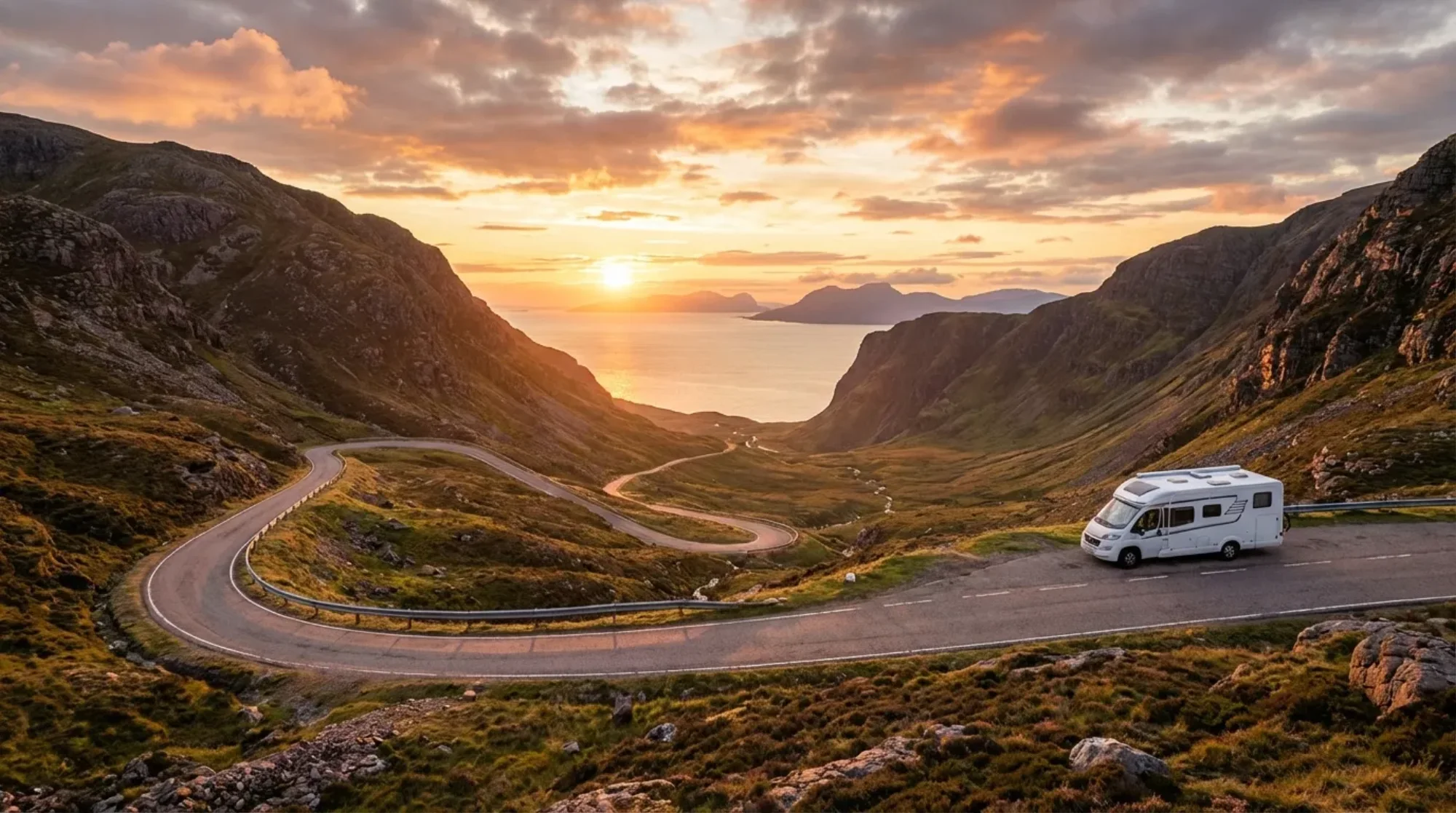
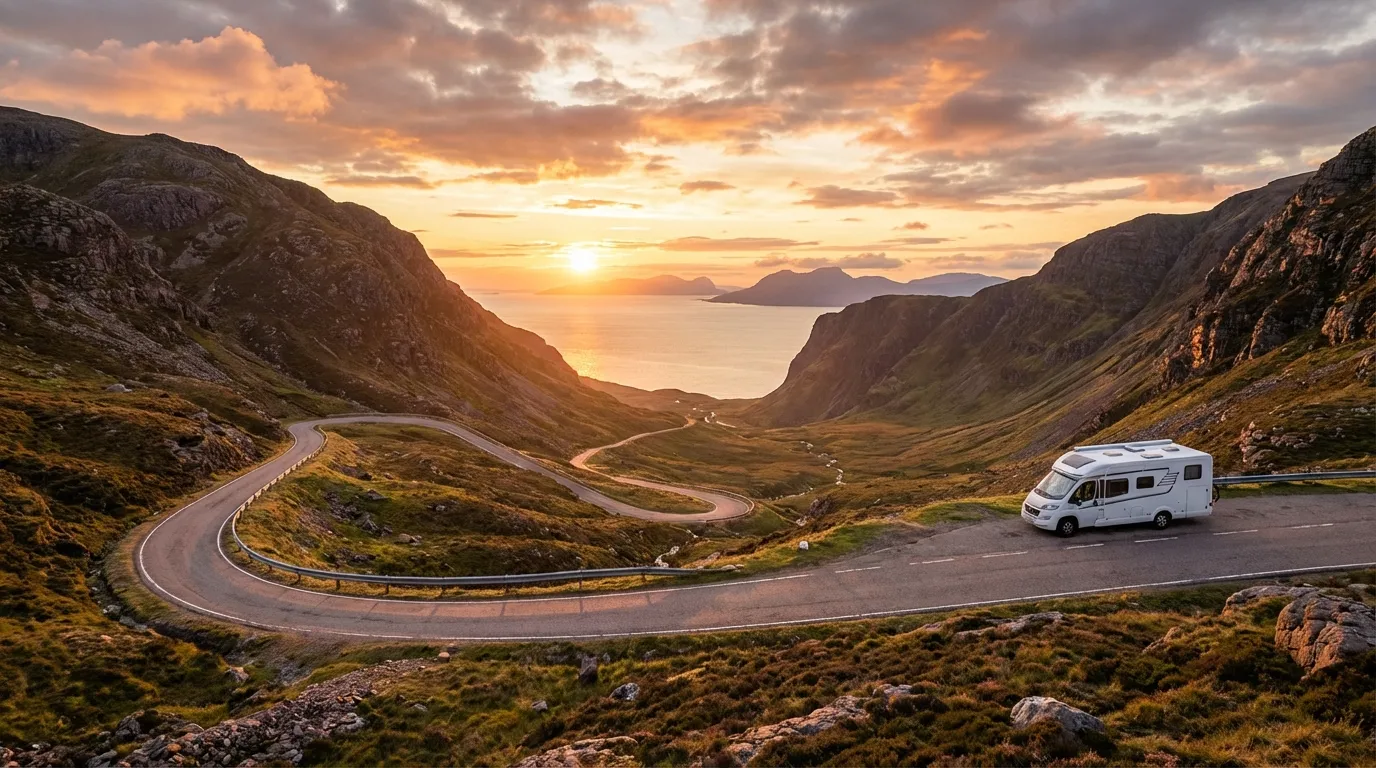
Campervan overlooking a winding Highland coastal road at sunset
A Highland view worth making time for

Stop. Get out. Look around.

Views worth making time for

Bealach na Bà viewpoints

Extraordinary on a clear day, but only for suitable vehicles and confident drivers. Larger motorhomes should take the alternative route.

Torridon

Mountain walls, lochs and changing light make the wider Torridon area a highlight even without committing to a long hike.

Kylesku Bridge

A classic NC500 photograph where modern engineering sits inside a wild sea-loch landscape.

Dunnet Head

Go beyond the 'end of the road' photo stops for mainland Britain's most northerly point and huge Pentland Firth views.

Duncansby Head

A short walk from the lighthouse area opens out towards dramatic cliffs and sea stacks.

Kyle of Tongue

A broad northern landscape framed by Ben Loyal and Ben Hope, especially atmospheric in changing weather.

West-coast whites to northern sands

Beaches for the route list

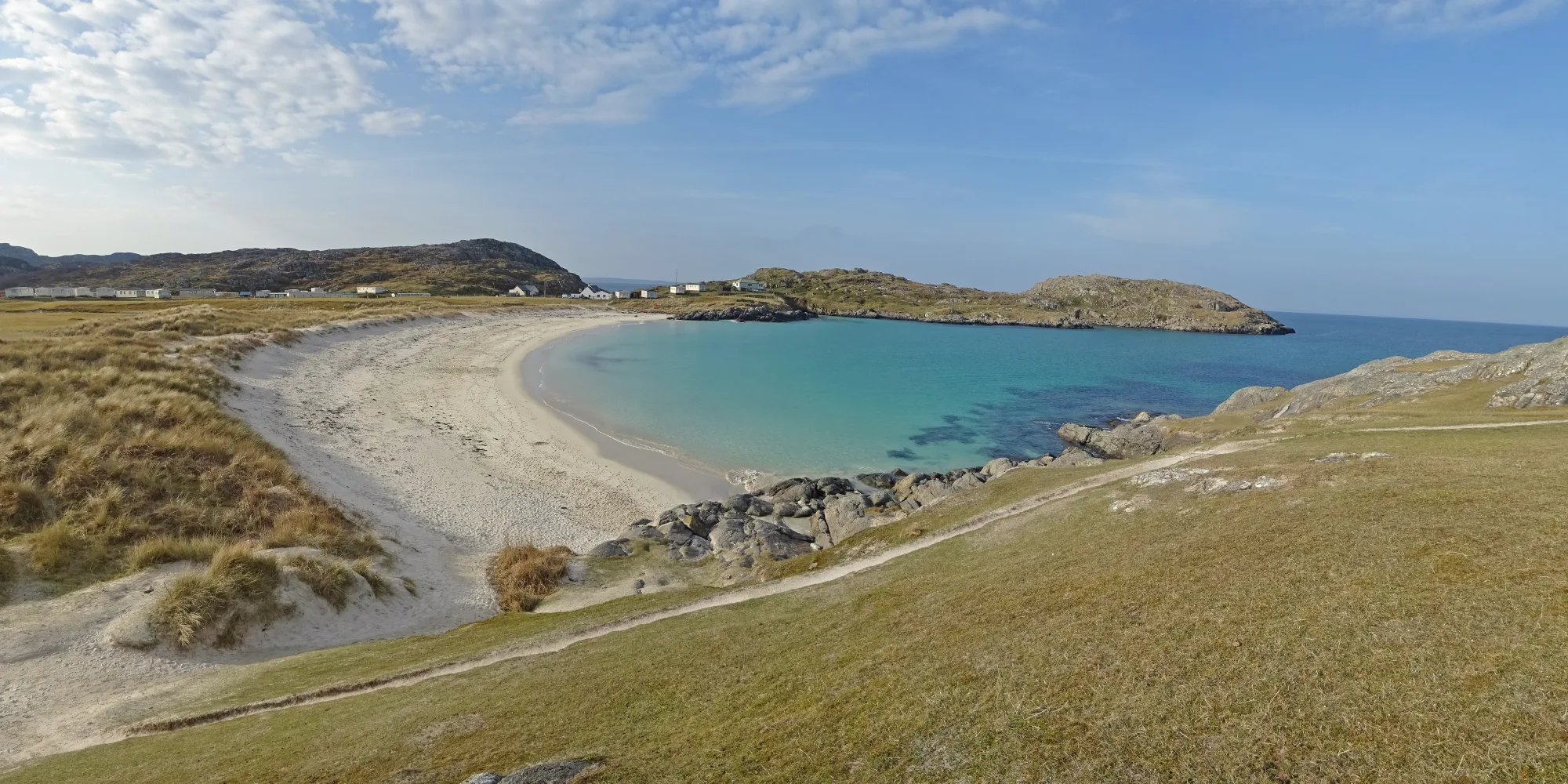
Achmelvich Bay

White sand and clear-looking water near Lochinver; access roads require patience and sensible parking.

Balnakeil Bay

A sweeping beach near Durness that works beautifully as a slower stop after the drive around the far north-west.

Dunnet Bay

A long sandy bay on the north coast with an entirely different feel from the rocky western landscapes.

Sandwood Bay

A remote beach reached on foot. Treat it as a proper half-day outing rather than a quick roadside stop.

White sand and turquoise water at Achmelvich Beach in Assynt
Achmelvich Beach · Gordon Hatton · CC BY-SA 2.0

Explore the route

NC500 route tips & inspiration

Ideas for the landscapes, activities, heritage, wildlife and detours that can turn the drive into a proper Highland adventure.

A glimpse of the journey

The NC500 in pictures

From Assynt ruins and sea caves to the far-north cliffs and the east-coast castles, these photographs bring the different chapters of the route to life.

Smoo Cave and Geodha Smoo on the north coast near Durness
Smoo Cave, DurnessPhoto: Spike · Wikimedia Commons
Kylesku Bridge crossing the sea loch in Sutherland
Kylesku BridgePhoto: Roger Davies · Wikimedia Commons
Ardvreck Castle ruins on the shore of Loch Assynt
Ardvreck Castle, AssyntPhoto: Richard Baker · Wikimedia Commons
Dunnet Head and its lighthouse on the far north coast of Scotland
Dunnet HeadPhoto: Matthew Prior · Wikimedia Commons
Duncansby sea stacks and cliffs in Caithness
Duncansby StacksPhoto: MaxKaane · Wikimedia Commons
Dunrobin Castle and formal gardens near Golspie
Dunrobin CastlePhoto: Andrew Tryon · Wikimedia Commons

The route, region by region

Nine landscapes in one road trip

Use these as chapters rather than checkpoints. Each region can justify extra nights if its walks, coast or history match the way you travel.

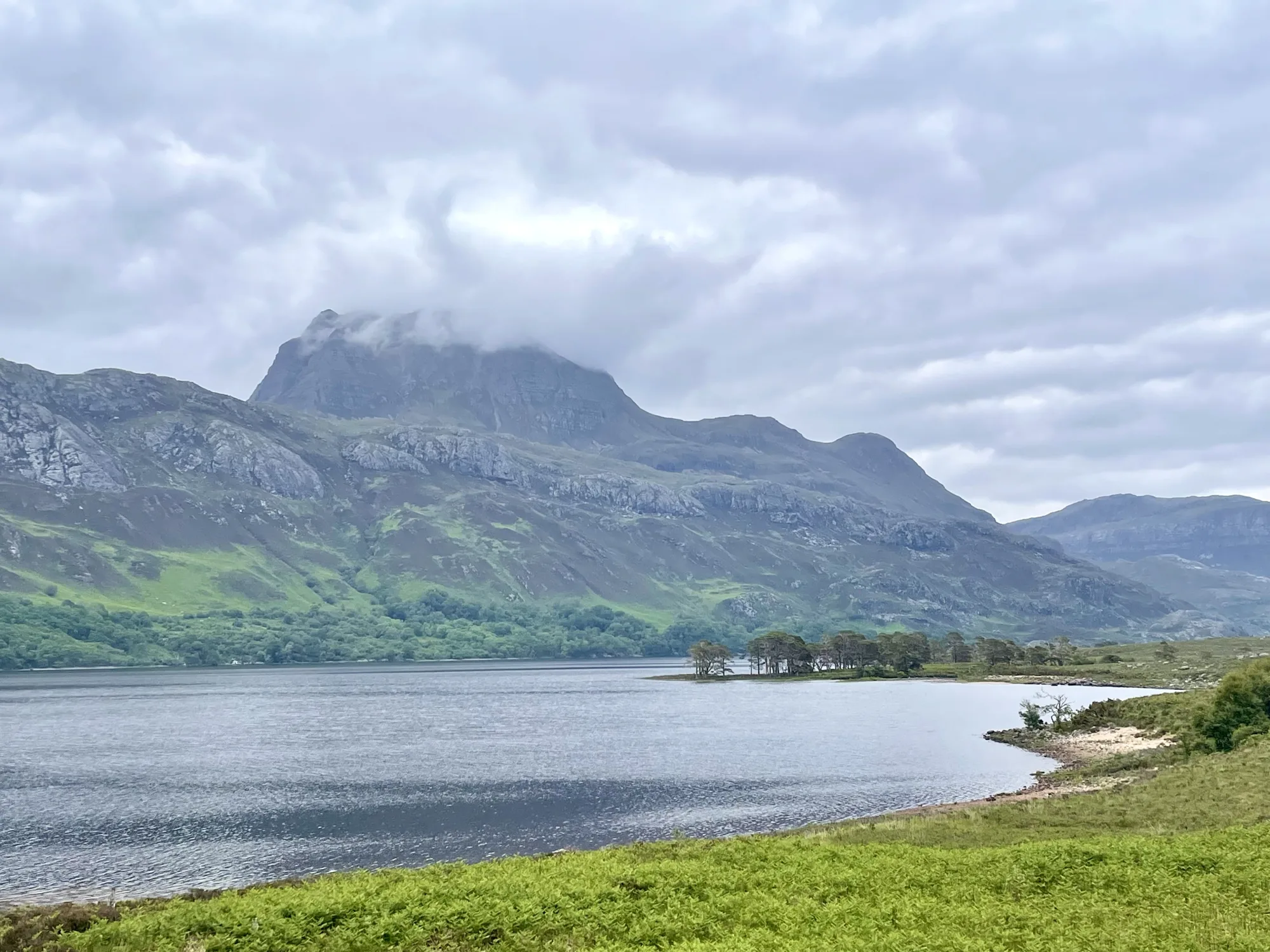
Loch Maree and Slioch in Wester Ross on the North Coast 500
Loch Maree and Slioch · Hamish McCunn · CC BY-SA 4.0
01

Inverness & the Beauly Firth

Give the start and finish some time of their own: Inverness Castle viewpoints and riverside, the Caledonian Canal, Beauly, the firth coastline and nearby prehistoric sites make this more than a place to collect groceries and fuel.

02

Wester Ross

The west opens into sea lochs, mountain walls and scattered communities. Applecross, Shieldaig, Torridon, Gairloch and Loch Ewe reward slow travel; road conditions and vehicle size should dictate the route, not a desire to follow every famous line.

03

Ullapool & Coigach

Ullapool is a major practical reset point for food, fuel and supplies, but the surrounding coast, harbour, walking and Coigach landscapes deserve time too. This is a good place to add a spare night.

04

Assynt

Assynt's isolated mountains, lochs, geology and pale beaches are among the route's defining landscapes. Ardvreck Castle, Knockan Crag, Lochinver, Achmelvich and the Inchnadamph area can easily fill more than a day.

05

Durness & north-west Sutherland

Smoo Cave, Balnakeil, Cape Wrath excursions, beaches and huge Atlantic views make Durness a natural base. Boat and minibus access to Cape Wrath is seasonal and weather-dependent, so never build a tight itinerary around it.

06

North Sutherland

Between Durness and Caithness, the Kyle of Tongue, Ben Loyal, Ben Hope and north-coast beaches create a spacious, less hurried chapter. Walking plans here need proper mountain preparation.

07

Caithness

Thurso, Dunnet Head, Dunnet Bay, the Castle of Mey, John o' Groats, Duncansby Head, Wick and Whaligoe combine wildlife, sea cliffs, archaeology and fishing history. The far north deserves more than the famous signpost.

08

East Sutherland

The return south adds Dunrobin Castle, Golspie, Brora, Dornoch and whisky country. It is generally easier driving than the west, which makes it tempting to rush; don't.

09

Easter Ross & Black Isle

Tain, the Cromarty Firth, Fyrish, Black Isle villages, Chanonry Point and Moray Firth wildlife provide a strong final day before returning to Inverness.

Make it an adventure

Outdoor activities beyond the drive

The NC500 can be a paddling, surfing, cycling, walking, wildlife, fishing or golf trip with a road journey joining the days together.

Sea kayakers paddling off the Scottish coast
Sea kayaking on the Scottish coast · Geograph / Wikimedia Commons

Sea kayaking

Sheltered sea lochs and west-coast waters can be superb for paddling with a suitable guide or appropriate experience. Conditions matter: wind, tide and cold water can turn a calm-looking coast into a serious environment.

Surfing

Thurso is internationally known for surf, while north-coast beaches provide other opportunities when conditions suit. Use local operators for lessons and equipment if you are new to cold-water surfing.

Wild swimming

The water may look tropical; the temperature is not. Choose a safe entry, understand currents and exposure, never assume a remote beach is lifeguarded and warm up properly afterwards.

Cycling

Road cyclists tackle the NC500 as a major endurance route. Drivers should expect cyclists on narrow roads and bends, wait for a genuinely safe passing opportunity and leave generous space.

Mountain biking

Golspie and other Highland trail areas can turn the road trip into a riding holiday. Check trail status and difficulty before unloading the bikes.

Boat & wildlife trips

Coastal boat trips can offer a different view of cliffs, seabirds and marine wildlife. Sailings are weather-dependent, so keep the surrounding day flexible.

Fishing

Sea, river and loch fishing are available around the Highlands, but access and permits vary. Check local rules and permissions rather than assuming open access includes fishing rights.

Golf

Links and Highland courses along the east and north coasts can be built into a longer itinerary. Advance tee-time booking is sensible in busier periods.

Wild Highlands

Wildlife to look out for

Bring binoculars, slow down and let sightings happen without turning wildlife into another checklist.

Red deer stag in Glen Torridon in the Scottish Highlands
Red deer stag in Glen Torridon · Wikimedia Commons

Dolphins

The Moray Firth and Black Isle are well known for bottlenose dolphins, with Chanonry Point a popular shore-watching location. Sightings are wild and never guaranteed.

Seals & otters

Quiet sea lochs and rocky coast can produce memorable sightings. Watch from a distance, avoid approaching hauled-out seals and never crowd an animal for a photograph.

Golden & white-tailed eagles

Both can be encountered in the Highlands. Scan ridgelines and coast rather than chasing birds or approaching nest areas.

Puffins & seabirds

Northern cliffs support breeding seabirds in season, including puffins at suitable sites. Stay behind barriers and well back from cliff edges.

Red deer

Deer are widespread and can appear on or beside roads, particularly around dawn, dusk and in poor visibility. Slow down where sightlines are limited.

Marine life

Porpoises, whales and other marine species are possible from coastal viewpoints and boat trips. Binoculars let you enjoy sightings without disturbing wildlife.

Highland cattle & livestock

These are working farming and crofting landscapes. Give animals space, keep dogs under close control and never block gates or handling areas.

Seasonal nature

Spring nesting, summer seabirds and dolphins, autumn deer activity and winter dark skies all change the experience. Avoid disturbing wildlife at its most sensitive times.

Day by day

Four ways to pace the loop

These are flexible frameworks, not instructions. Weather, vehicle size, bookings and what you enjoy should always win.

Kylesku Bridge winding through the mountain and sea-loch scenery of the NC500
Kylesku — build enough time into the route to enjoy the landscape · Wikimedia Commons

3 days — the sampler

Day 1: Inverness → Wester Ross/Applecross alternative → Torridon. Day 2: Torridon → Ullapool → Assynt → north coast. Day 3: north coast → Caithness → east coast → Inverness. This is a driving-heavy overview, not the way to experience everything.

5 days — compact classic

Day 1: Inverness & Black Isle → Wester Ross. Day 2: Torridon/Gairloch → Ullapool. Day 3: Assynt → Durness/Tongue. Day 4: north coast → Caithness/Wick. Day 5: east Sutherland → Easter Ross → Inverness.

7 days — CampaMate starting point

Day 1: Inverness/Black Isle → Applecross or vehicle-safe alternative → Shieldaig. Day 2: Torridon → Gairloch/Loch Ewe. Day 3: Ullapool → Coigach/Assynt. Day 4: Lochinver/Kylesku → Durness. Day 5: Tongue → Thurso/Dunnet. Day 6: John o' Groats/Duncansby → Wick/Helmsdale. Day 7: Dunrobin/Dornoch/Easter Ross → Black Isle → Inverness.

10 days — explore properly

Days 1–2: Inverness, Black Isle and Wester Ross. Day 3: Torridon/Gairloch. Day 4: Ullapool/Coigach. Day 5: Assynt. Day 6: Durness/Cape Wrath area. Day 7: Tongue/north Sutherland. Day 8: Thurso/Dunnet/John o' Groats. Day 9: Caithness/Wick/east Sutherland. Day 10: Dornoch/Easter Ross/Black Isle/Inverness.

Stories behind the scenery

Castles, archaeology & Highland heritage

Ardvreck Castle beside Loch Assynt
Castles and Highland history are woven through the route · Wikimedia Commons

Clava Cairns

A prehistoric burial complex near Inverness that can be added at the beginning or end of the loop, giving the journey a much deeper historical starting point.

Ardvreck Castle

Ruins on the shore of Loch Assynt, dramatically positioned against the Assynt mountains. Park responsibly and allow time to explore rather than treating it as a roadside photograph.

Castle of Mey

A historic castle and gardens on the Caithness coast. Opening is seasonal, so check current visitor information before building a day around it.

Dunrobin Castle

A grand east-coast castle near Golspie with formal gardens and seasonal visitor opening. It creates a very different experience from the ruined castles of the west.

Wick & herring heritage

Wick's harbour and heritage tell the story of one of Europe's great herring ports. A museum or heritage stop helps explain why these remote coastal settlements developed.

Pictish Easter Ross

The east coast contains important Pictish stones and heritage sites. Travellers with extra time can use Tain and the wider peninsula as a base for exploring them.

Crofting landscapes

Many beautiful roadside landscapes are working crofts. Gates, livestock, access tracks and verges are part of people's livelihoods, not empty recreational space.

Clearances & Highland history

Museums and heritage centres around the route add context to depopulation, crofting, fishing and the Highland Clearances. Building one or two into the trip makes the scenery more meaningful.

Eat the route

Food, local produce & whisky

One of the easiest ways to make the journey benefit the communities you pass through is to stop, eat and shop locally.

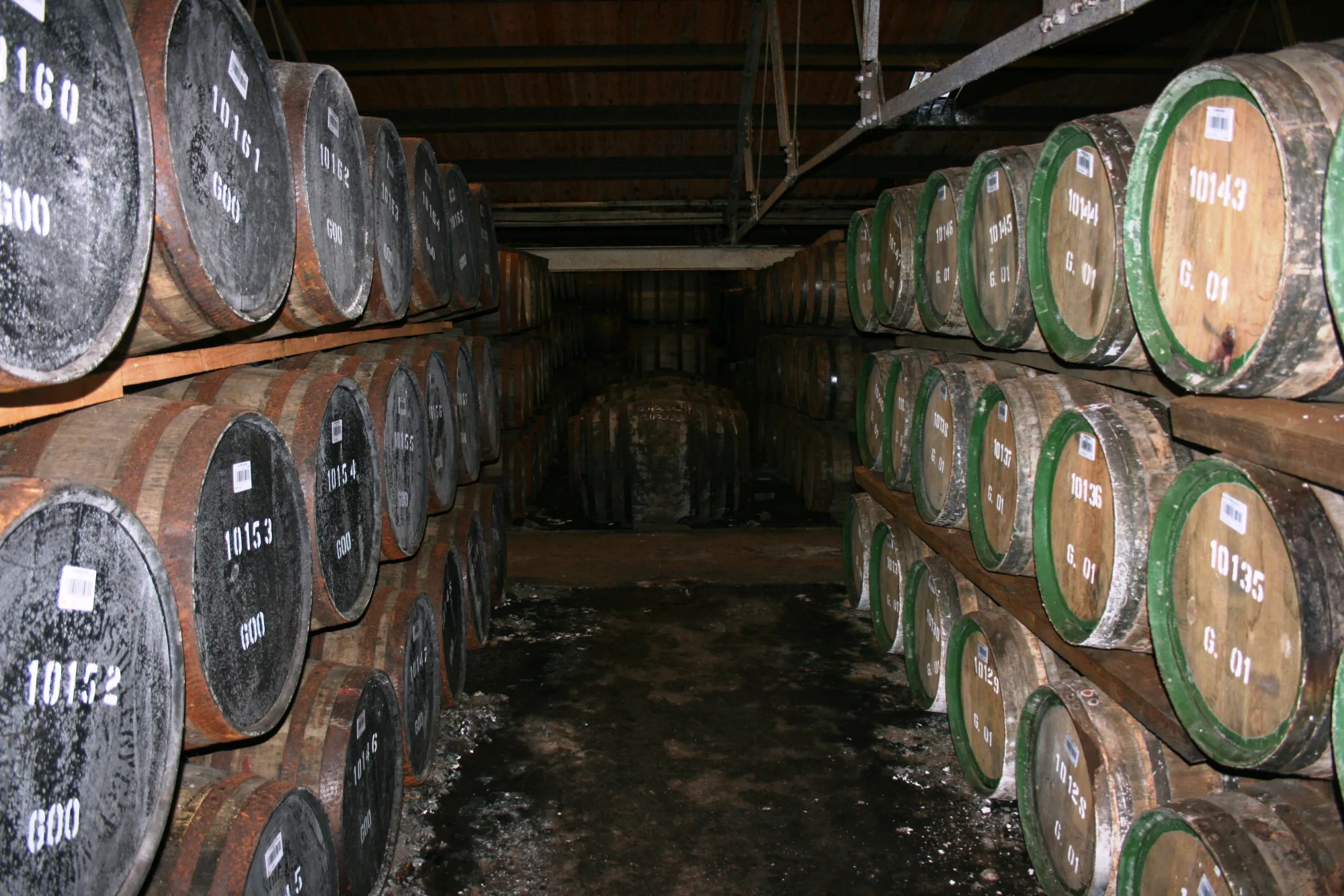
Whisky casks maturing at Glenmorangie Distillery near Tain on the NC500
Whisky maturing at Glenmorangie near Tain · Glenmorangie · Public domain

Seafood

West and north-coast harbours make seafood an obvious part of the journey. Look for local shellfish, fish and seasonal catches, and check opening days because small businesses may not operate every day.

Ullapool

A particularly useful food stop with cafés, restaurants and shops as well as touring supplies. It is an easy place to plan a proper evening meal and restock the camper.

Lochinver

A small but memorable food stop in Assynt, well suited to lunch or provisions before the more remote north-west section.

Local bakeries & cafés

Independent bakeries and cafés make excellent road-trip stops and support communities directly. Keep a flexible shortlist rather than relying on one venue being open.

Farm shops & local produce

Where available, farm shops and local producers are a useful way to restock while keeping more of the trip spend in the Highlands.

Whisky

Highland distilleries are concentrated more heavily on the east-coast side of the loop. Book tours where required, check seasonal opening and nominate a driver who will not drink.

Camper cooking

Carry enough for an unplanned night but don't provision the entire journey at a distant supermarket. Buying along the route supports local shops and reduces pressure to reach a specific restaurant before closing.

Opening hours

Remote businesses can have shorter hours, seasonal closures or rest days. Check on the day and keep a backup rather than assuming online opening times are infallible.

Go beyond the obvious

Detours, hidden gems & inland alternatives

The NC500 road is a framework, not a fence. A longer trip becomes much richer when you occasionally leave the coastal line.

Falls of Shin woodland waterfall
Leave the main line for waterfalls, inland scenery and quieter discoveries · Geograph / Wikimedia Commons

Knockan Crag

A fascinating landscape stop in the North West Highlands Geopark, combining short trails, geology and huge views without needing a full mountain day.

Bone Caves, Inchnadamph

A rewarding walk into Assynt's limestone landscape. Treat it as a walk rather than a roadside attraction and check conditions before setting out.

Red Point

A west-coast detour for beaches and open views, best suited to travellers deliberately allowing extra time rather than trying to collect every stop.

Forsinard Flows

For a route extension into the interior, the Flow Country reveals a completely different peatland landscape and important wildlife habitat.

Fyrish Monument

A hill walk above Easter Ross with expansive views, ideal for travellers who want the east coast to include more than castles and distilleries.

Rosemarkie & Chanonry Point

Black Isle coast, beach walking and one of the best-known shore-based dolphin-watching areas around the Moray Firth.

Golspie trails

The east coast offers forest and mountain-bike trails as well as beaches and castles, making Golspie useful for an active day.

Falls of Shin & Lairg

An inland variation can combine woodland, salmon-watching opportunities in season and the landscapes around Loch Shin.

Don't rush the return

East-coast stops worth keeping

The western road gets much of the attention, but a fuller NC500 uses the east to add waterfalls, wildlife, history, beaches and Highland food and drink.

Wide sandy shoreline at Dornoch on the east coast of the NC500
Dornoch's east-coast shoreline · Richard Webb · CC BY-SA 2.0

Black Isle & dolphin watching

The Black Isle makes an excellent beginning or final chapter, with coastal viewpoints and chances to look for Moray Firth dolphins from shore.

Rogie Falls

A woodland waterfall stop west of Dingwall, particularly known for the chance of seeing leaping salmon when conditions and season align.

Falls of Shin

A forest waterfall stop that can be worked into the east/north-east side of a slower itinerary rather than simply racing back to Inverness.

Whaligoe Steps

A remarkable historic staircase descending towards an old harbour on the Caithness coast. Allow time, wear sensible footwear and remember you have to climb back up.

Dornoch

A worthwhile east-coast pause for its beach, historic centre and nearby food and whisky country.

Glenmorangie & Highland whisky

The Tain area offers an opportunity to turn the homeward leg into a food-and-drink experience rather than treating it as the least interesting part of the loop.

When should you go?

NC500 through the seasons

Loch Maree and the Highland landscape
The NC500 changes character with the seasons · Wikimedia Commons

Spring

Longer days return, wildlife activity increases and the route can be quieter than midsummer. Mountain conditions can still be wintry, so never assume spring at sea level means summer on the hills.

Summer

Maximum daylight makes exploring easier, but this is the period when popular campsites, attractions and narrow roads can be busiest. Book important stops and carry midge protection.

Autumn

Changing colours and quieter roads can be superb, while shorter daylight and more unsettled weather make flexible daily plans increasingly important.

Winter

The Highlands can be spectacular but daylight is short and snow, ice, wind and closures can alter plans quickly. Treat winter NC500 travel as a different proposition and check conditions before every leg.

Practical touring

NC500 advice & preparation

Vehicle advice, packing, weather, family touring, responsible travel and the practical information to read before setting off.

Before you set off

Campervan & motorhome guide

The practical details matter more here than they do on an ordinary A-road trip.

Single-track road on the North Coast 500
Single-track touring · Geograph · Wikimedia Commons

Single-track roads

Use passing places properly, let faster local traffic through and never use a passing place as a parking space. Expect livestock, cyclists, walkers and changing road conditions.

NC500 road through Glen Torridon
Glen Torridon · N Chadwick · Geograph

Motorhomes & larger campers

Vehicle size matters. Larger motorhomes should use the safer alternatives around Bealach na Bà and the B869 Drumbeg road. If reversing a long distance on a narrow road is not comfortable, choose the alternative.

A838 NC500 road at the southern end of Loch Eriboll
Loch Eriboll & Durness road · Peter Moore · Geograph

Fuel & LPG

Remote stretches have fewer options, so top up before the gauge becomes urgent. Use the CampaMate map layers to plan fuel, LPG and other vehicle essentials rather than relying on finding them by chance.

Sunset over Ullapool in the Scottish Highlands
Ullapool at sunset · Paweł Pyziak · Wikimedia Commons

Water & waste

Plan fresh-water fills and proper grey/black-waste disposal. Never empty waste into drains, burns, roadside areas or the landscape.

Signal & offline planning

Mobile coverage can disappear in remote areas. Download what you need before setting off and keep key stop details available offline.

Weather

Highland conditions can change quickly. Build slack into your itinerary, carry suitable layers and be willing to swap a walk or exposed viewpoint for a lower-level stop.

Parking & overnighting

Use designated parking and legitimate overnight locations. Avoid gateways, verges, passing places and anywhere that blocks residents, farms or emergency access.

Dogs & wildlife

Keep dogs under close control around livestock and wildlife, and use a lead where needed. The route passes through working crofting landscapes as well as sensitive habitats.

Plan it properly

Before you leave Inverness

A good NC500 trip is won before the first single-track road. These are the details that stop a beautiful road trip becoming a stressful one.

NC500 road through Glen Torridon
Glen Torridon

Book ahead in busy periods

The Highlands can feel empty while campsites, tours and popular places are simultaneously full. Reserve the nights or experiences that matter most, especially in peak season, then leave breathing room between them.

A838 NC500 road at the southern end of Loch Eriboll
Loch Eriboll & Durness road

Do not trust the mileage alone

A 60-mile Highland day can take far longer than a 60-mile motorway journey. Single-track sections, passing traffic, photo stops and slow vehicles all change the calculation. Plan by realistic driving time, not distance.

Sunset over Ullapool in the Scottish Highlands
Ullapool at sunset

Keep directions offline

Signal is not guaranteed and a Highland postcode can cover a surprisingly large area. Save coordinates and directions before leaving reliable coverage and keep an offline map or paper-map backup.

Single-track road on the North Coast 500
Single-track touring

Clockwise or anticlockwise?

Both work. Clockwise puts Applecross and Wester Ross near the beginning; anticlockwise starts with the gentler east coast and lets the landscape become wilder as you head north and west.

Build in a weather day

A spare half-day or full day is valuable. It lets you move a walk, boat trip or exposed viewpoint when cloud, wind or rain makes the original plan a poor choice.

Shop before remote stretches

Use larger settlements for groceries, fuel, gas and essentials. Small communities may have limited opening hours and should not be treated like 24-hour service areas.

EV touring

An electric NC500 is possible, but charging needs more deliberate planning than on major urban routes. Check working chargers and alternatives before each remote leg rather than arriving nearly empty.

Arrive when expected

If you have a booked campsite, tour or accommodation, note its arrival or check-in arrangements. Highland driving can take longer than predicted, so leave margin and contact the operator if delays change your arrival.

NC500 with children

Make the road trip work for the whole family

Sango Bay at Durness
Beaches and outdoor stops help break up family driving days · Geograph / Wikimedia Commons

Short walks over summit days

Families do not need to climb a Munro to experience the landscape. Beaches, gorge walks, woodland trails and short viewpoints can deliver the scenery with much less commitment.

Caves, castles & waterfalls

Smoo Cave, castle ruins, Dunrobin and waterfall stops break up driving days and give children a destination rather than another scenic road.

Beach time

Build unstructured time into sandy stops. Even when it is too cold to swim, rock pools, dunes and shoreline walks can be the part children remember.

Long driving days

The route's mileage is deceptive for adults and harder still for children. Split days with real stops and avoid planning several hours of continuous single-track driving.

Facilities

Know where the next toilets, food, water and sheltered stop are before entering remote stretches. CampaMate's live facility layers are intended to make this easier.

Cliffs & roadside safety

Some famous viewpoints have exposed drops, traffic or uneven ground. Supervise children closely and never use passing places as family stopping points.

Campervan on a scenic Highland coastal road on the NC500
Campervan touring through dramatic NC500 scenery

CampaMate motorhome handbook

NC500 campervan & motorhome advice in detail

This is the part to read before taking a larger vehicle onto the remote sections. The aim is to make the route easier for you and for the communities that use these roads every day.

Passing places — how to use them

On single-track roads, the vehicle nearest a passing place normally uses it. If the passing place is on your right, wait opposite it rather than crossing into it. Be ready to reverse to the nearest space, and use passing places to let faster traffic behind you through as well.

Never park in a passing place

Passing places are part of the road, not viewpoints or picnic bays. For photographs, lunch or a longer stop, continue until you find a proper lay-by or designated parking area.

Avoid convoys

Several campers travelling nose-to-tail can overwhelm small passing places. Leave at least a passing-place distance between vehicles so oncoming traffic can move through normally.

Know your reversing ability

On remote single-track sections you may need to reverse a considerable distance. If you cannot confidently and accurately reverse your camper or motorhome on a narrow road, choose wider alternative roads.

Wild camping vs motor vehicles

Scotland's outdoor-access rights for lightweight wild camping do not give campervans or motorhomes an automatic right to park overnight. Obey signs, restrictions and landowner arrangements and favour recognised campsites, aires and legitimate stopovers.

Keep camping inside the vehicle

Where overnight parking is permitted rather than formal camping, do not turn the space into a campsite with awnings, furniture or outdoor cooking. Local rules and signs always take priority.

Waste and toilets

Use proper chemical-toilet, black-water and grey-water disposal points. Never empty waste into public toilets unless explicitly permitted, roadside drains, watercourses or the landscape.

Fresh water

Top up at legitimate potable-water points and avoid assuming every outdoor tap is drinking water. Carry enough reserve for delays, closures and remote nights.

Gas & LPG

Availability becomes thinner in remote Highland areas. Check CampaMate's LPG and gas-bottle information before committing to a long leg and do not wait until the bottle or tank is effectively empty.

Vehicle checks

Before remote legs check fuel or charge, tyres, coolant, oil, screenwash and warning lights. A minor issue is much easier to solve in Inverness, Ullapool or another service centre than on an isolated single-track road.

Breakdown preparation

Carry your recovery details, exact vehicle dimensions and a charged phone/power bank. Save your location or coordinates when you still have signal so you can describe where you are if assistance is needed.

Cyclists, walkers & livestock

Expect vulnerable road users and animals around blind bends. Reduce speed early, give cyclists proper room and never pressure livestock being moved along a road.

What to take

NC500 packing checklist

Pack for a remote Highland road trip, not just the weather forecast showing on the morning you leave.

NC500 road at Lochinver
Pack for remote roads and changeable Highland conditions · Geograph / Wikimedia Commons

Road-trip essentials

Driving licence, insurance/recovery details, vehicle manual, tyre inflator or repair equipment appropriate to your vehicle, warning triangle where appropriate, torch and charging cables.

Highland weather kit

Waterproof outer layers, warm mid-layers, hat and gloves outside midsummer too, sturdy footwear and spare dry clothing. Conditions at a viewpoint can be very different from sheltered sea level.

Outdoor safety

Paper or offline mapping for serious walks, water, food, first-aid kit, sun protection and insect repellent. For mountain days add the equipment and navigation skills appropriate to the objective.

Camper living

Drinking-water reserve, levelling aids where lawful to use, waste-tank supplies, toilet chemicals compatible with disposal points, reusable rubbish bags and enough food for a delayed arrival.

Midges & ticks

Midge repellent and a head net can transform a still summer evening. Check yourself and pets for ticks after walking through vegetation and know how to remove them correctly.

Power & connectivity

Power banks, 12V/USB charging, downloaded maps, saved booking confirmations and screenshots of key directions help when data coverage disappears.

Cloud doesn't cancel the NC500

What to do on a wet-weather day

Smoo Cave at Durness
Cloudy days can still lead to memorable NC500 stops · Wikimedia Commons

Museums & heritage centres

Use poor-weather days for local history: Ullapool Museum, Black Isle/Pictish heritage, Tain's local history and east-coast museums can add context to everything you see outside.

Distillery visits

A pre-booked distillery tour can rescue a wet afternoon. Keep the designated driver alcohol-free and check opening days before making a detour.

Cafés, smokehouses & local food

Rain is a good excuse to slow down. Seek out local seafood, bakeries, cafés, farm shops and delis instead of sitting in the van waiting for the cloud to clear.

Short waterfall walks

Some woodland and waterfall stops work well between showers, provided paths and rivers are safe. Rogie Falls and Falls of Shin can fit naturally into slower itineraries.

Change the plan

The most useful rainy-day tool is flexibility. Swap an exposed mountain or beach day with an indoor or lower-level day, rather than forcing the itinerary because it was written in advance.

Wild coastline and sandy bay at Durness on the North Coast 500
Wild Highland coast at Durness — travel gently and leave it beautiful · Geograph / Wikimedia Commons

Travel well

Respect the Highlands you came to see

People live and work on these roads. Give local traffic room, use passing places correctly, park only where it is safe and lawful, take litter away, dispose of motorhome waste at proper facilities and avoid damaging verges or blocking access.

Use established campsites and legitimate overnight stops, follow local signage and the Scottish Outdoor Access Code, and remember that responsible touring protects both the landscape and the welcome future visitors receive.

Remote mountain and coastal landscape around the Kyle of Tongue on the NC500
The Kyle of Tongue — beautiful, remote Highland touring country · Geograph / Wikimedia Commons

Plan for the unexpected

Safety, closures & remote travel

Road conditions

Check current conditions before remote or winter legs. Strong wind, flooding, snow, collisions and road works can all change a route that looked straightforward when planned.

Mountain weather

Roadside weather is not a mountain forecast. For serious hill days use a dedicated mountain forecast and be prepared to choose a lower-level alternative.

Emergency location

Know your road, nearest settlement and coordinates. Remote addresses can be vague, so a saved map pin or grid reference can make asking for help much clearer.

No signal

Do not assume you can call from every glen or coast. Tell someone your plan for serious walks, carry offline navigation and consider appropriate emergency communication for remote objectives.

Tides & cliffs

Coastal exploring can involve tides, slippery rock and unprotected cliff edges. Check tide information where a walk depends on the shore and keep well back from unstable edges.

Cold water

Highland sea and loch water can cause cold-water shock even on warm-looking days. Swim or paddle within your ability, use appropriate equipment and understand the local conditions.

Before you ask Bertie

NC500 frequently asked questions

Quick answers to the questions campervan and motorhome travellers ask most often.

How long does the NC500 take?

The loop is around 516 miles, but mileage is a poor way to judge it. Five to seven days is a useful minimum for many travellers; seven to ten gives far more room for walks, weather and slower stops.

Which direction is best?

Neither direction is universally better. Clockwise reaches Wester Ross early; anticlockwise starts on the easier east and builds towards the dramatic west. Choose around bookings, weather and your vehicle.

Can a motorhome do the NC500?

Yes, but not every road suits every motorhome. Vehicle length, width, weight, driver confidence and reversing ability matter. Larger vehicles should use alternatives to roads specifically discouraged for them.

Can I wild camp in my campervan?

Scotland's access rights for lightweight wild camping do not create a right to park a motor vehicle overnight. Use lawful parking, recognised stopovers and campsites, and obey local restrictions and signs.

Do I need to book campsites?

In busy periods, booking key nights is sensible. A flexible trip can mix booked anchor nights with alternatives, but relying on turning up everywhere in peak season can create unnecessary pressure.

Is there phone signal everywhere?

No. Download maps, booking details and key directions before remote stretches. Never make an important walk or driving decision dependent on having data coverage.

Are there fuel stations around the route?

Yes, but they are much less frequent than in urban Britain. Top up early, particularly before remote west and north-coast sections, and keep an eye on opening hours.

What about LPG?

Pump LPG and gas-cylinder availability is more limited. Use CampaMate's facility information to identify options before the trip and verify availability before relying on a single remote supplier.

Can I take an EV?

Yes, with planning. Identify chargers and backup chargers before remote legs, allow for weather and detours affecting range, and avoid arriving at an isolated charger with no practical reserve.

When is midge season?

Midges are most associated with the warmer months and calm, damp conditions, particularly on the west. Conditions vary day to day; carry repellent and a head net rather than letting them dictate the whole trip.

What is the best month?

There is no single best month. Spring can be quieter, summer has very long daylight, autumn can be atmospheric and winter is a much more demanding trip. Match the season to the experience and driving conditions you want.

Can I do Bealach na Bà?

Only if your vehicle is suitable and you are confident on steep, narrow single-track roads. Larger motorhomes should follow the recommended alternative. Never take a road simply because it is famous.

Can I take my dog?

Yes, but the route crosses working crofts and sensitive wildlife habitat. Keep dogs under close control, use a lead around livestock and nesting wildlife, and check individual attractions and beaches for restrictions.

Where do I empty toilet and waste water?

Only at appropriate disposal facilities. CampaMate's water/waste layer is designed to help locate service points. Never discharge into roadside drains, public toilets unless explicitly permitted, burns or the landscape.

Will everything be open on Sundays or out of season?

No. Small businesses and attractions can have seasonal hours, rest days and winter closures. Check important stops shortly before visiting and keep alternatives.

Keep exploring with CampaMate

Your NC500 doesn't have to end at the route line.

Use CampaMate to find facilities, campsites, outdoor places and community routes before and during the trip.

Explore the mapCampaMate RoutesConquer the Munros